

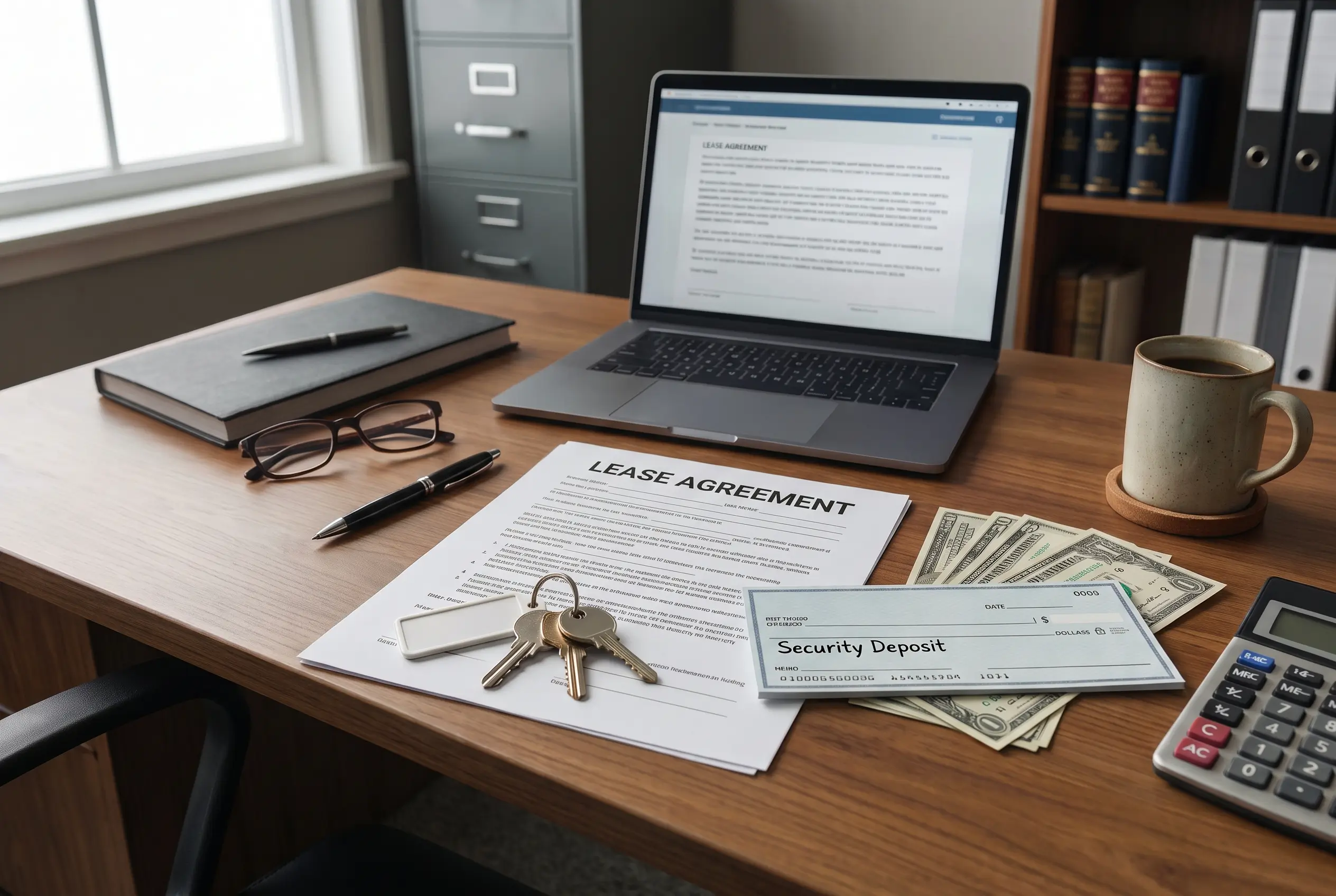
One late refund can cost a landlord triple what they kept. That penalty catches plenty of well-meaning property owners off guard.
Sumter’s rental market rarely sits still. Tenants come and go all year, especially with Shaw Air Force Base keeping the town on the move. Each move-out brings one big question to the table. Who gets the deposit back, and how much?
South Carolina law has a clear answer, but the details matter. A missed deadline or a vague deduction can turn a routine move-out into a courtroom headache. Understanding security deposit laws keeps that from happening.
This guide walks through what every Sumter landlord needs to know to handle deposits the right way.
Key Takeaways
- South Carolina places no limit on how much a landlord can collect as a security deposit.
- Landlords have 30 days to return the balance with an itemized list of deductions.
- Wrongfully withheld funds can cost three times the amount plus the tenant’s attorney’s fees.
- Clear documentation at move-in and move-out is the strongest defense in any dispute.
How South Carolina Regulates Security Deposits
Security deposits fall under the South Carolina Residential Landlord and Tenant Act, with the core rules found in Section 27-40-410 of the South Carolina Code. A security deposit is a monetary deposit that secures the tenant’s full and faithful performance of the lease agreement. The money held protects your rental property if a tenant breaks the rental agreement or causes damage. Here’s how the deposit laws shape what you can collect and how you hold it:
- No cap on deposit amounts. There is no maximum security deposit under South Carolina law. You set deposit amounts based on your market and risk tolerance, but a deposit that’s too high can push qualified applicants toward other Sumter listings.
- No interest owed. You don’t have to pay interest on a tenant’s security deposit while you hold it.
- No separate account required. State law doesn’t demand a dedicated bank account. Keeping one anyway makes move-out bookkeeping much easier.
- Prepaid rent follows the same section. Section 27-40-410 covers prepaid rent too, so treat advance payments with the same care as the deposit itself.
What Sumter Landlords Can Deduct From a Deposit
Allowable deductions must tie back to rent or tenant-caused damage. Here are the categories that hold up under state law.
Unpaid Rent Is a Valid Deduction
If a tenant fails to pay rent, you may withhold accrued rent from the deposit. This includes any due rent still owed when the tenant moves. A clear payment ledger makes that number easy to support.
Damage Tied to the Tenant’s Noncompliance Qualifies
Landlords carry the main duty to maintain dwelling unit conditions, but tenants pay for the damage they cause. Section 27-40-510 lists the obligations primarily imposed on tenants. Under its applicable provisions, tenants must:
- Follow building and housing codes that affect health and safety
- Keep the dwelling unit and plumbing fixtures clean and in a safe manner
- Use heating, plumbing, and air conditioning systems in a reasonable manner
- Never negligently destroy the property or knowingly permit others to do so
Damage from the tenant’s negligence or other waste is fair game for deductions.
Normal Wear and Tear Stays the Landlord’s Cost
Normal wear and tear, like scuffed walls or flattened carpet, is yours to cover. Damage that goes beyond normal wear is another story. Holes in walls, pet stains, and missing fixtures all exceed normal wear. Recording the property’s condition at move-in makes that line much easier to defend.
The 30-Day Return Deadline Explained
South Carolina gives landlords thirty days to return the deposit or account for every dollar kept. That rule applies to fixed-term leases, a month to month tenancy, and a week to week tenancy alike. Here’s what the deadline looks like in practice:
- The clock starts after the latest triggering event. The countdown begins once the tenancy ends and the tenant returns possession. If the tenant demands the deposit later, the clock runs from that demand instead.
- Every deduction needs a written, itemized notice. All amounts withheld must appear on an itemized list sent as written notice with any refund due. Skip vague notes like “cleaning and repairs” and list a dollar amount for each item. If you take no deductions, return the full deposit. Even when repairs cost more than the deposit, send the itemized statement on time.
- Tenants must supply a forwarding address in writing. Ask for the new address as soon as you receive a move-out notice, and build this requirement into your lease agreement.
- Unknown whereabouts call for extra care. If the tenant’s whereabouts are unknown, mail the notice to the last known address and keep proof of mailing. If personal property is left behind, follow the tenant act’s abandonment rules before removing anything.
Let Southern Touch Property Management handle move-out inspections and itemized deposit notices so no Sumter deadline slips through the cracks.
Compliance Habits That Protect Sumter Landlords
Most deposit problems trace back to missing records or rushed move-outs. A little structure up front saves a lot of back-and-forth later. These habits keep Sumter landlords on solid ground:
- Disclose inconsistent deposit standards on multi-unit properties. Some property owners charge different tenants different deposits for comparable units. If you rent more than four adjoining units with varying standards, you must disclose how you set them. Skip that step, and the extra amount above what other tenants pay can’t cover damage deductions.
- Take dated photos at move-in and move-out. Photos and a signed checklist create a record of the property’s condition. Walk the unit with the tenant at move-in and repeat the walkthrough when the tenant moves out.
- Schedule mid-lease inspections the right way. Landlords are allowed access with proper notice or the tenant’s permission, following the rules that apply to the landlord pursuant to the tenant act. These checks catch small problems before they become deductions.
- Prepare for military turnover near Shaw AFB. Under the Servicemembers Civil Relief Act, qualifying service members may end a lease early with military orders. Fast exits leave little room for error, so keep a move-out checklist and deposit notice template ready to go.
Frequently Asked Questions
Q: Can a Sumter landlord charge a pet deposit?
Yes. State law permits pet deposits in addition to a security deposit. Service animals and assistance animals are exempt under federal fair housing rules.
Q: Can a tenant use the deposit as last month’s rent?
Only with the landlord’s agreement. Your lease should spell out exactly how the deposit may be applied.
Q: What if damages exceed the deposit amount?
You can pursue the remaining balance in magistrate court. Send the itemized notice within 30 days regardless.
Keep Every Deposit Defensible
South Carolina landlord tenant rules give you room to set your own deposit terms. The tradeoff is strict timing and careful records. One missed deadline can turn a routine move-out into a costly dispute.
Treat every tenant’s security deposit as money you may need to justify later. South Carolina landlords who follow that mindset rarely end up in court. A knowledgeable property manager makes that consistency much easier to achieve.
If you want a partner who knows South Carolina deposit laws inside and out, Southern Touch Property Management is ready to step in. We handle inspections, notices, and deadlines so your Sumter rental stays protected.
Let’s talk about what your property needs.